Report Summaries
TUFTED DUCK
(Aythya fuligula)
2020-02 28-Jan-2020 to 13-Mar-2020 (7-0): Male; Easton Pond, Newport and Middletown; Bob Weaver (R, P).
TUFTED DUCK
(Aythya fuligula)
2020-30 27-Nov-2020 to 24-Mar-2021 (7-0): Male; Trustom Pond NWR, South Kingstown; David Mozzoni (P), Bill Thompson (P).
Subsumes #2021-23
TUFTED DUCK
(Aythya fuligula)
2020-30 27-Nov-2020 to 22-Jan-2021 (7-0): Male; Trustom Pond NWR, South Kingstown; David Mozzoni (P), Bill Thompson (P).
COMMON CUCKOO
(Cuculus canorus)
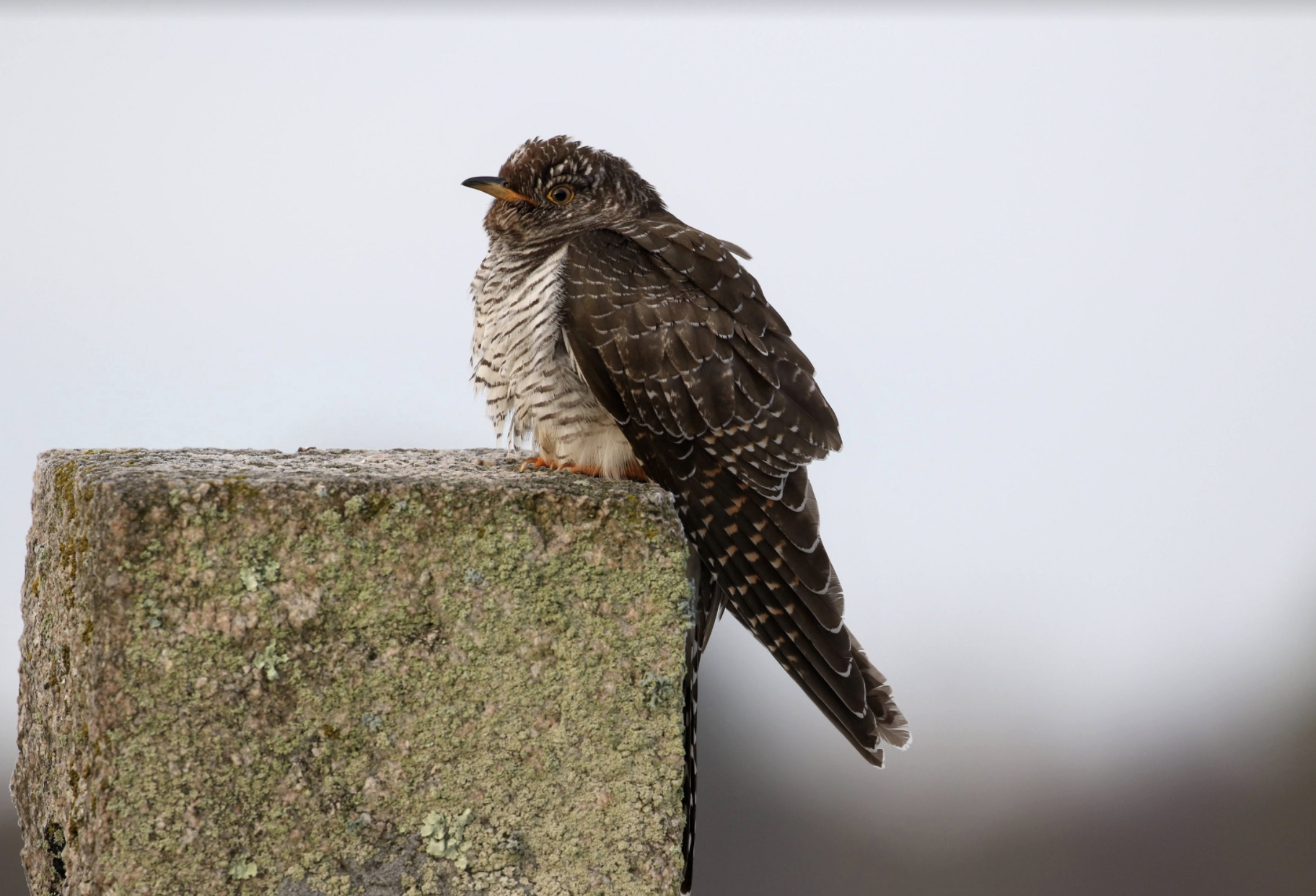
2020-24 01-Nov-2020 to 08-Nov-2020 (7-0): Snake Den State Park, Johnston; Al Schenck (I, R, P), Louis Bevier (R), Tim Healey (R, P), Jeremiah Trimble (R, P).
Discovered by Al Schenk, this first state record for Rhode Island is also one of very few in North America away from Alaska. The bird was studied and photographed by hundreds of birders over its weeklong stay, during which time it was often very cooperative as it hunted and consumed large caterpillars. Many excellent photographs and several carefully researched critical analyses aided the Committee in distinguishing this hatching-year Cuculus as a Common Cuckoo, rather than an Oriental Cuckoo, C. optatus. A number of features supportive of the identification of this individual as Common Cuckoo included: whitish undertail coverts with narrow dark bars; underwing lacking a bold white central bar; white spots on the rump (possibly also shown by immature Oriental); distinct barring on the lesser primary coverts on the underwing; and greater number of bars on the outer primaries (Kennerley and Leader 1991). The last of these characteristics is perhaps the most definitive, as the Rhode Island bird showed nine bars on p8 (e.g., in Jeremiah Trimble’s photo), compared to a maximum of seven bars on p8 in Oriental Cuckoo (Lehikoinen and Väisänen 2020).
An unresolved question concerns the origin of this exceptional vagrant: did it travel across North America from East Asia or across the Atlantic Ocean from Europe or Africa?
CHUCK-WILL'S-WIDOW
(Antrostomus carolinensis)
2020–27 02-May-2020 to 16-Jun-2020 (7–0): Tillinghast Management Area, West Greenwich; multiple observers.
WILSON'S PLOVER
(Anarhynchus wilsonia)
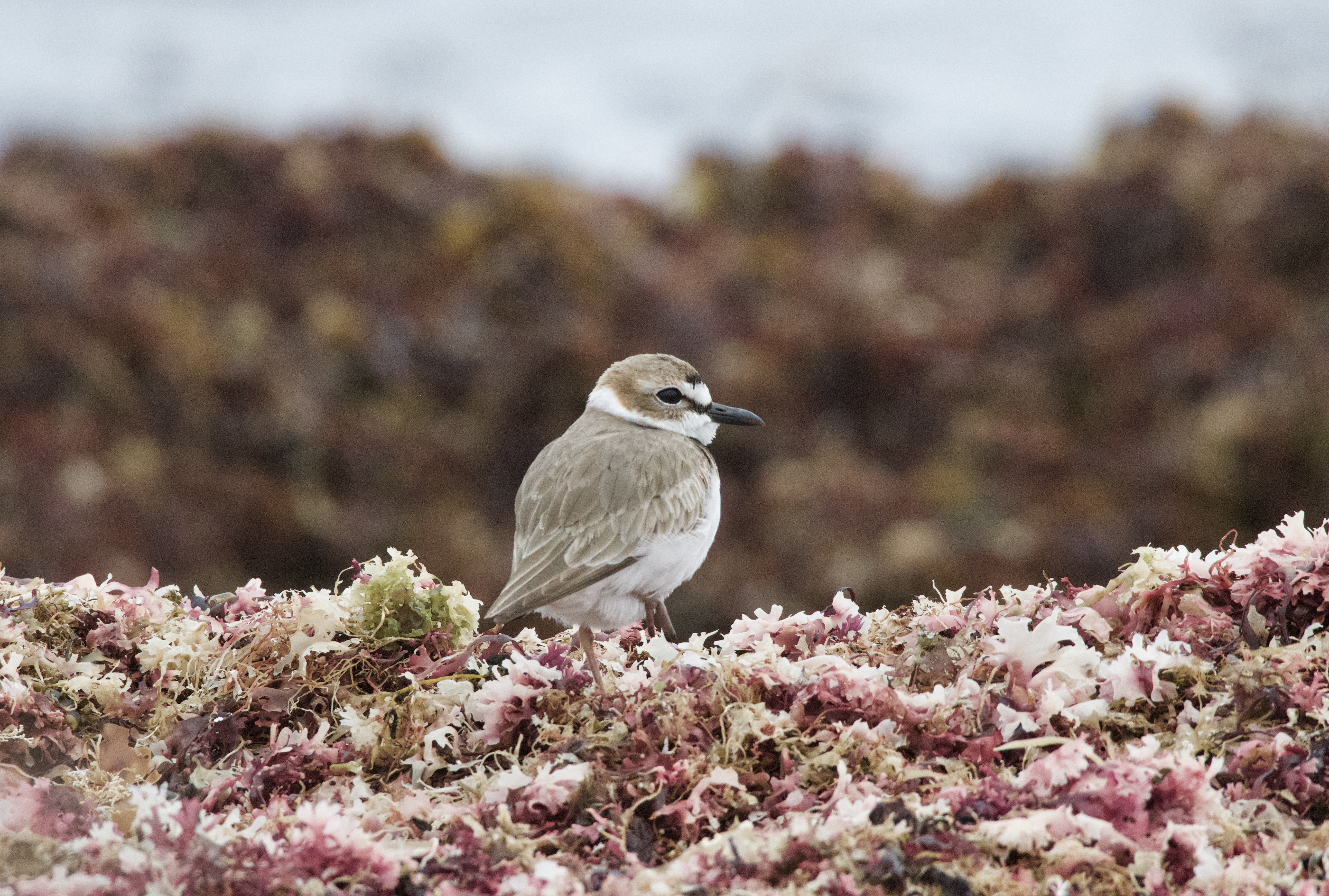
2020-03 18-Mar-2020 to 25-Mar-2020 (7-0): Scarborough Beach, Narragansett; Jessica Kiamco (I, R, P), Sue Palmer (R, P), multiple photographers.
RUFF
(Calidris pugnax)
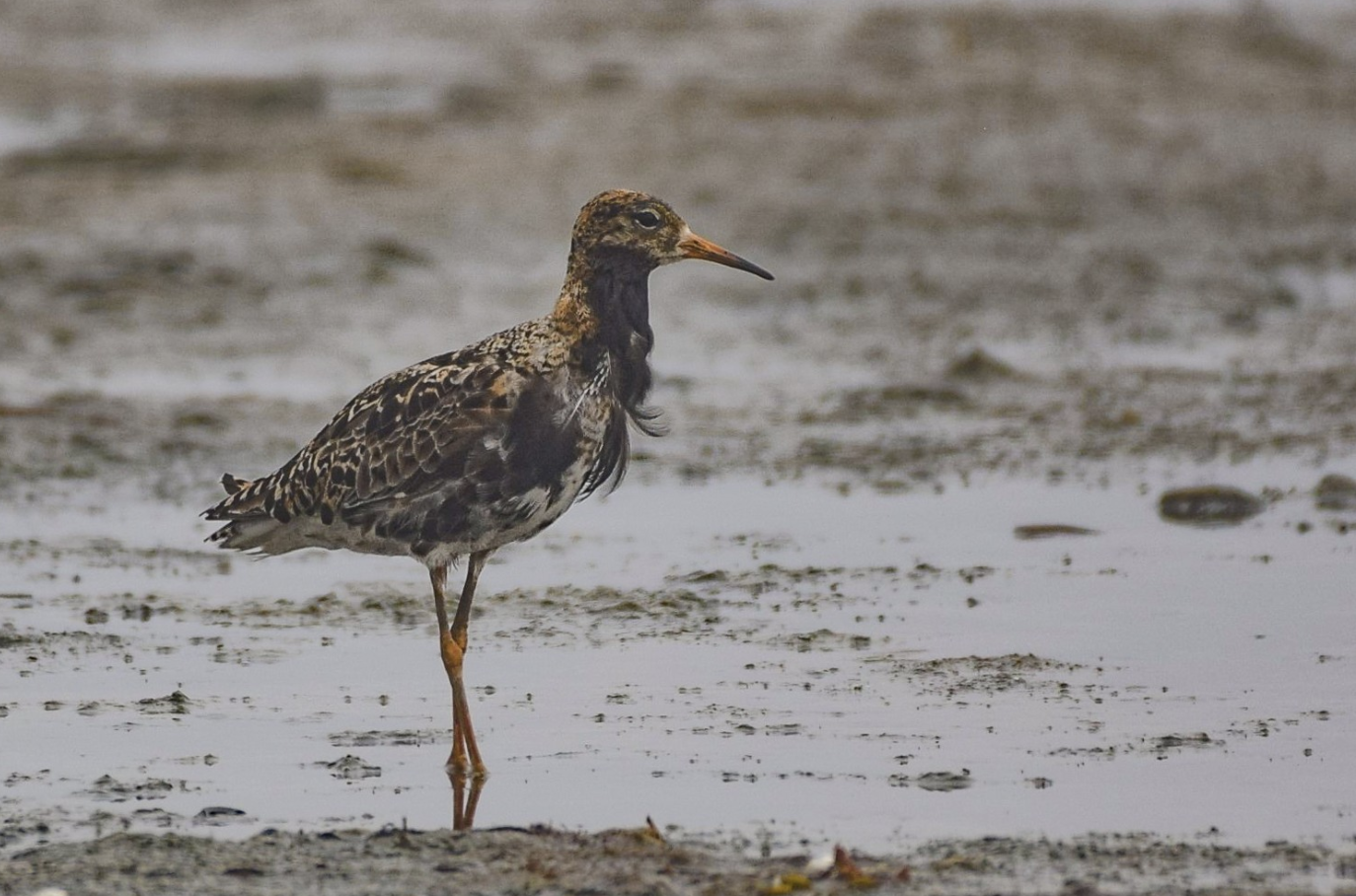
2020-11 08-Jul-2020 (7-0): Male; Charlestown Breachway, Charlestown; Don Whiteman (I, R), Patrick Felker (P).
Like Purple Gallinule, this species has occurred in Rhode Island rarely but almost steadily over more than a century, without any pronounced changes in status. This consistency is in contrast to most species regarded as rare in any period, which have tended to exhibit marked shifts in abundance over a historical record now approaching two centuries.
RUFF
(Calidris pugnax)
2020-23 20-Jul-2020 (7-0): Female; Winnapaug Pond; Liam Corcoran (I, P).
RED-NECKED STINT
(Calidris ruficollis)
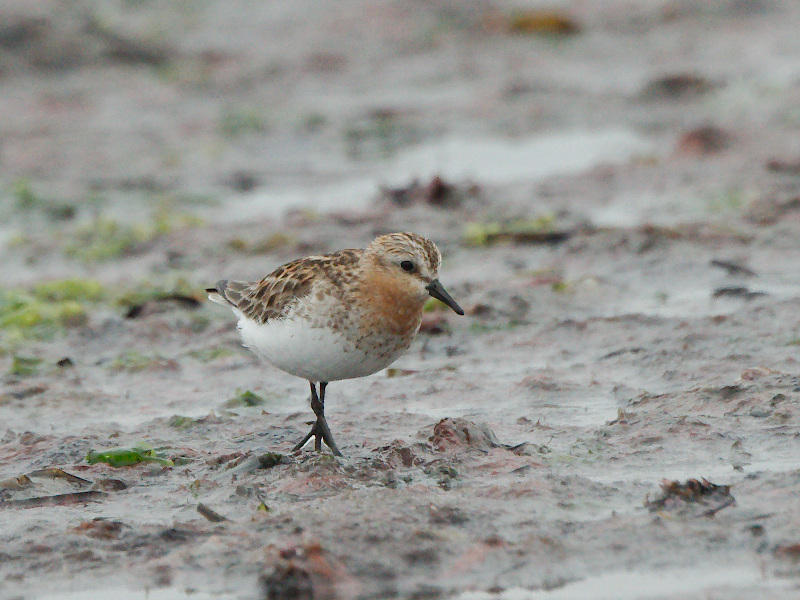
2020-09 05-Jul-2020 to 08-Jul-2020 (7-0): Napatree Point, Westerly; Bill Thompson (I, R, P).
Rhode Island’s long-anticipated first state record was found by Bill Thompson amid a dizzying series of shorebird mega-rarities along the western South County shore from late June through late July 2020.
LITTLE STINT
(Calidris minuta)
2020-10 06-Jul-2020 to 09-Jul-2020 (7-0): Charlestown Breachway, Charlestown; Tim Metcalf (I, R), Sue Palmer (P), Barbara Gearhart (R).
LITTLE STINT
(Calidris minuta)
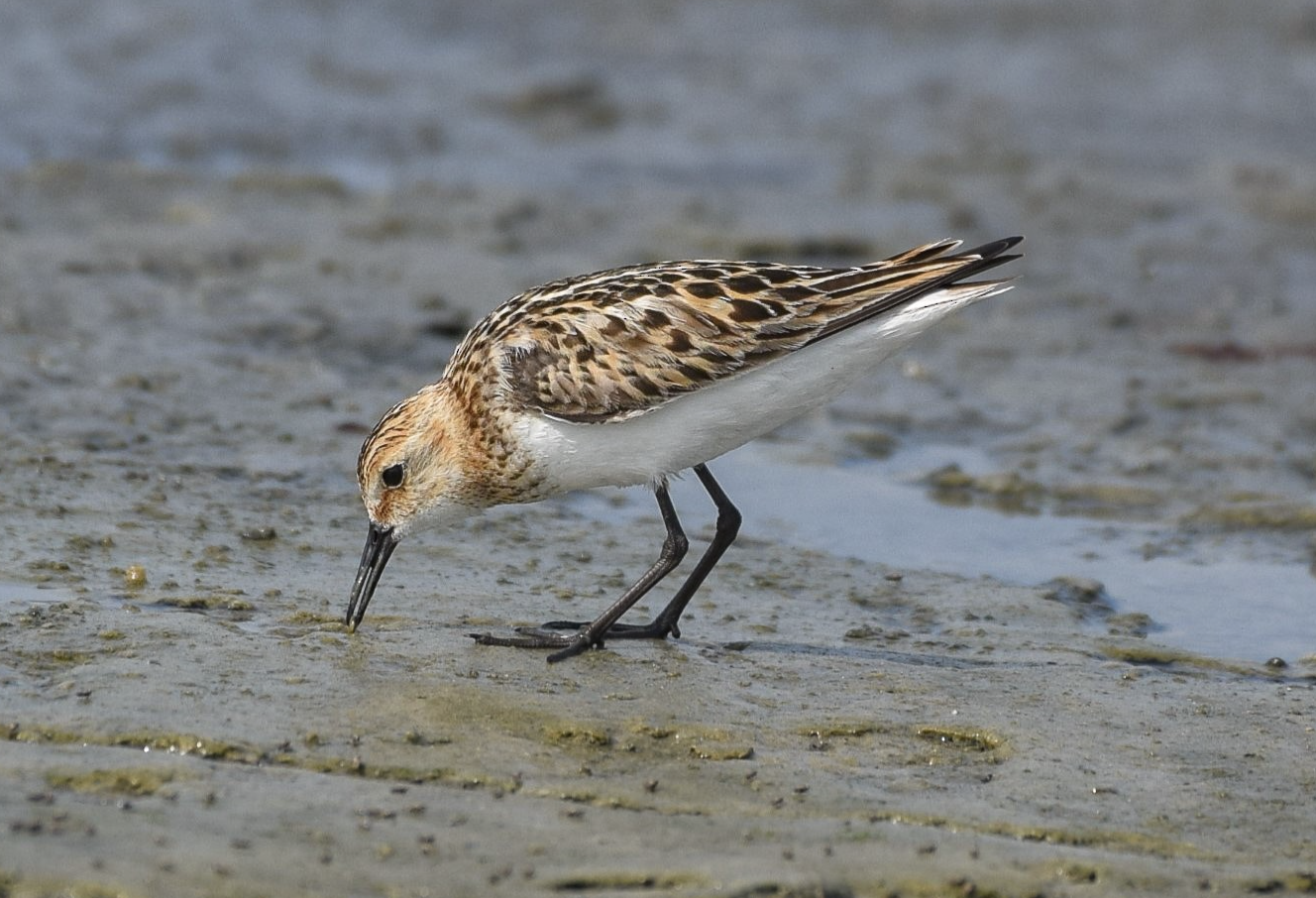
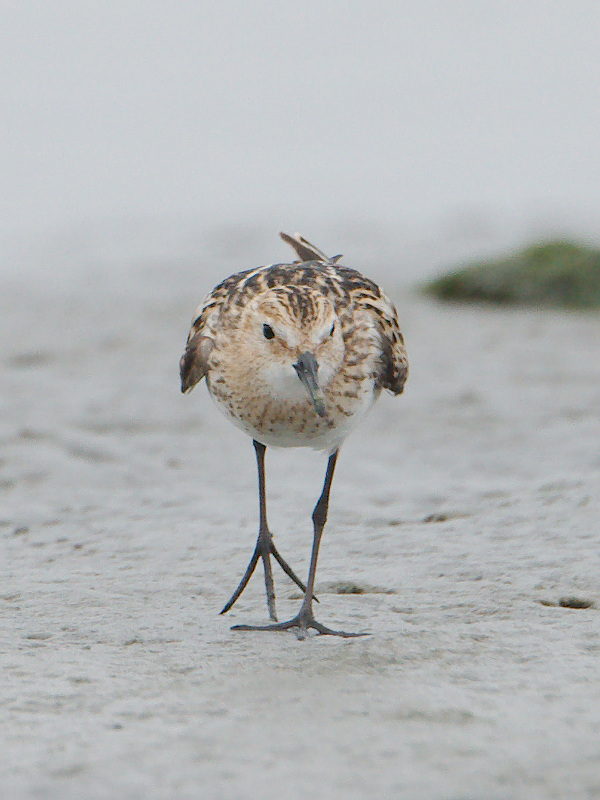
2020-14 29-Jul-2020 to 09-Aug-2020 (7-0): Charlestown Breachway, Charlestown; Scott Tsagarakis (I, R), Patrick Felker (R, P).
Plumage differences based on photographic evidence suggest that these reports represent two different individuals.
LONG-BILLED DOWITCHER
(Limnodromus scolopaceus)
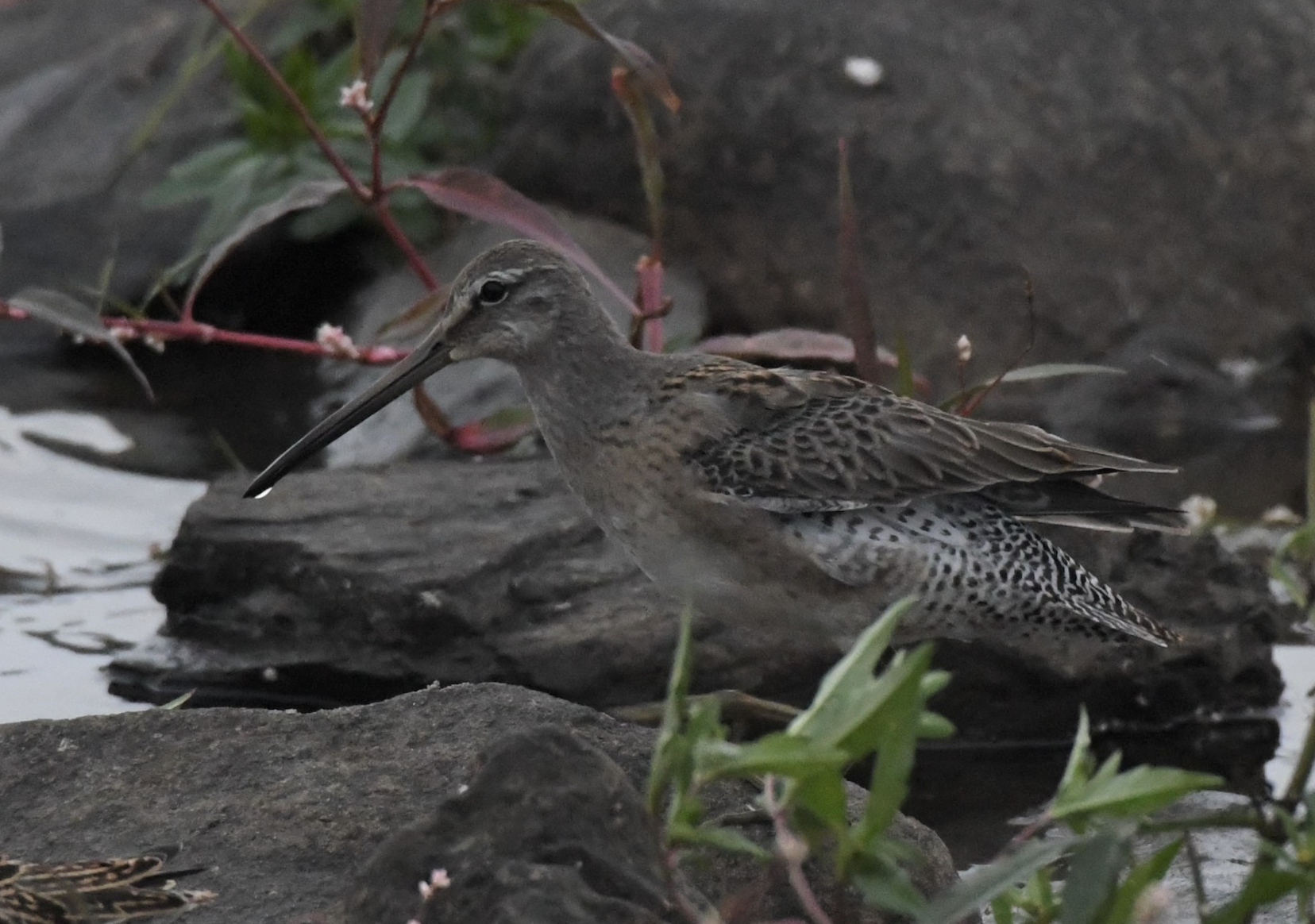
2020-28 15-Sep-2020 to 19-Sep-2020 (7-0): One, Easton Pond, Newport; Louise Ruggeri (P), Tim Metcalf (P), Sue Palmer (P).
LONG-BILLED DOWITCHER
(Limnodromus scolopaceus)
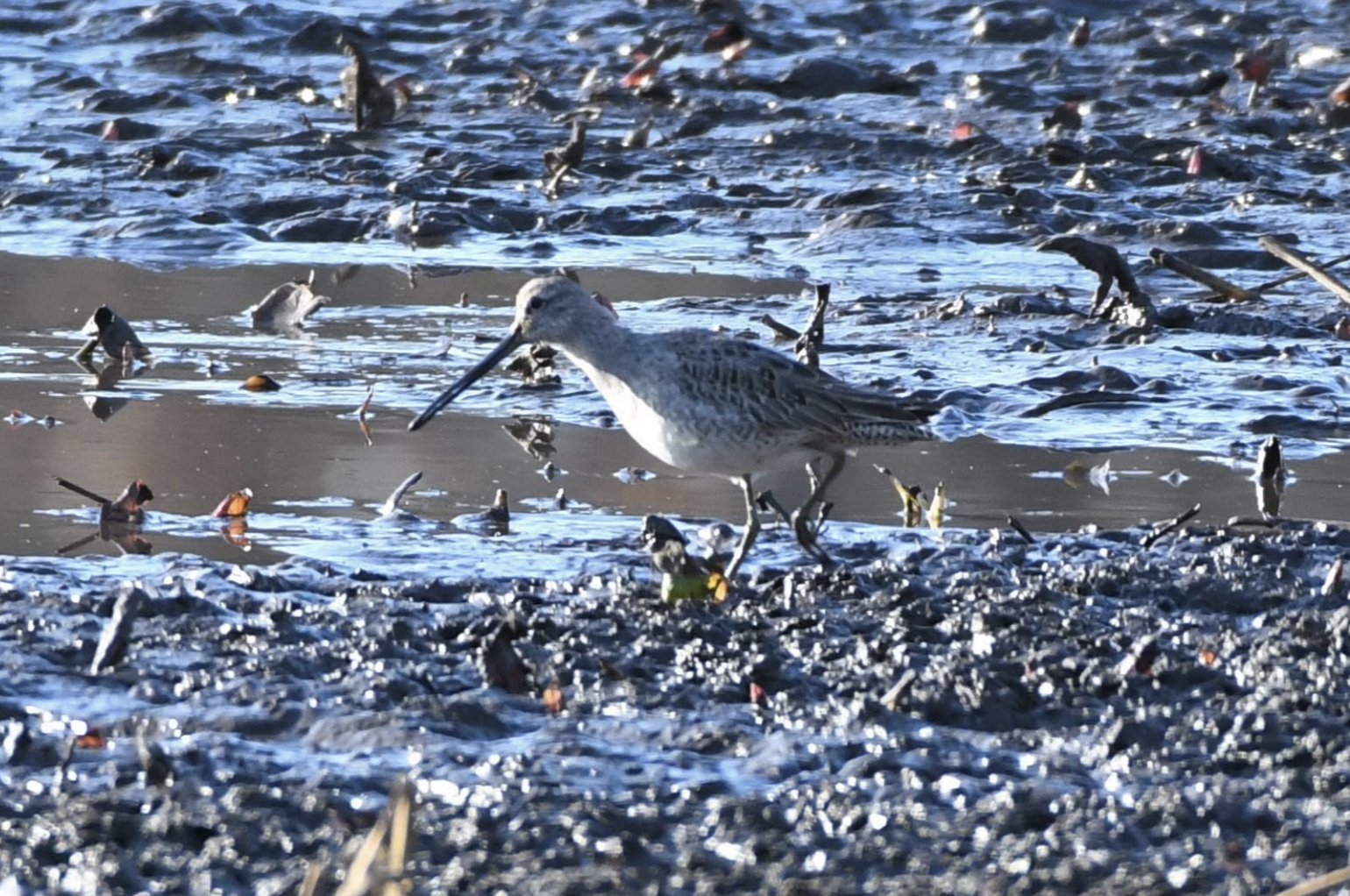
2020-29 16-Nov-2020 to 21-Nov-2020 (6-1): One, Perry Pond, Charlestown; Sue Palmer (I, R, P), Christopher Veale (P), Tim Metcalf (P).
TEREK SANDPIPER
(Xenus cinereus)
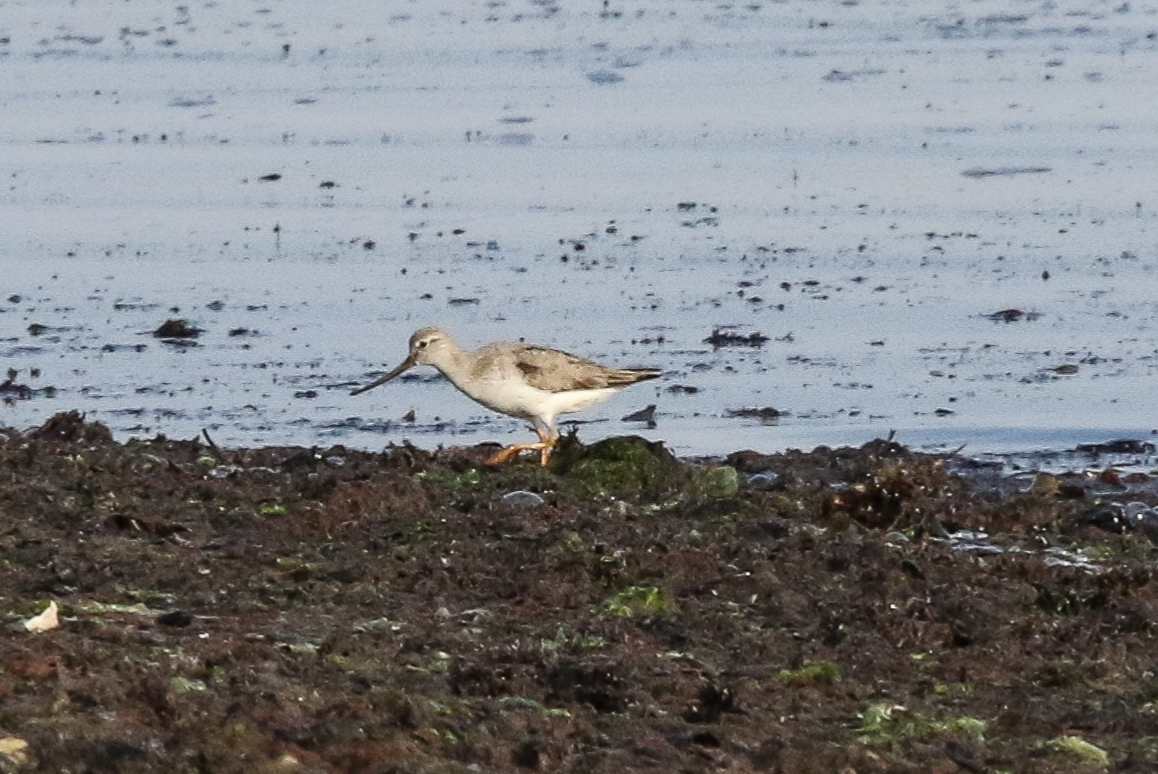
2020-08 28-Jun-2020 to 30-Jun-2020 (7-0): Napatree Point, Westerly; Jan St. Jean (I, R, P).
The third record of this species for the Atlantic coast of North America, this astonishing discovery by Jan St. Jean was the start of an unprecedented series of Palearctic shorebirds detected between Napatree and Charlestown Breachway in 2020. By the end of July, this short stretch of coast had also accrued records of two Ruffs, two Little Stints, and Rhode Island’s first Red-necked Stint.
LONG-TAILED JAEGER
(Stercorarius longicaudus)
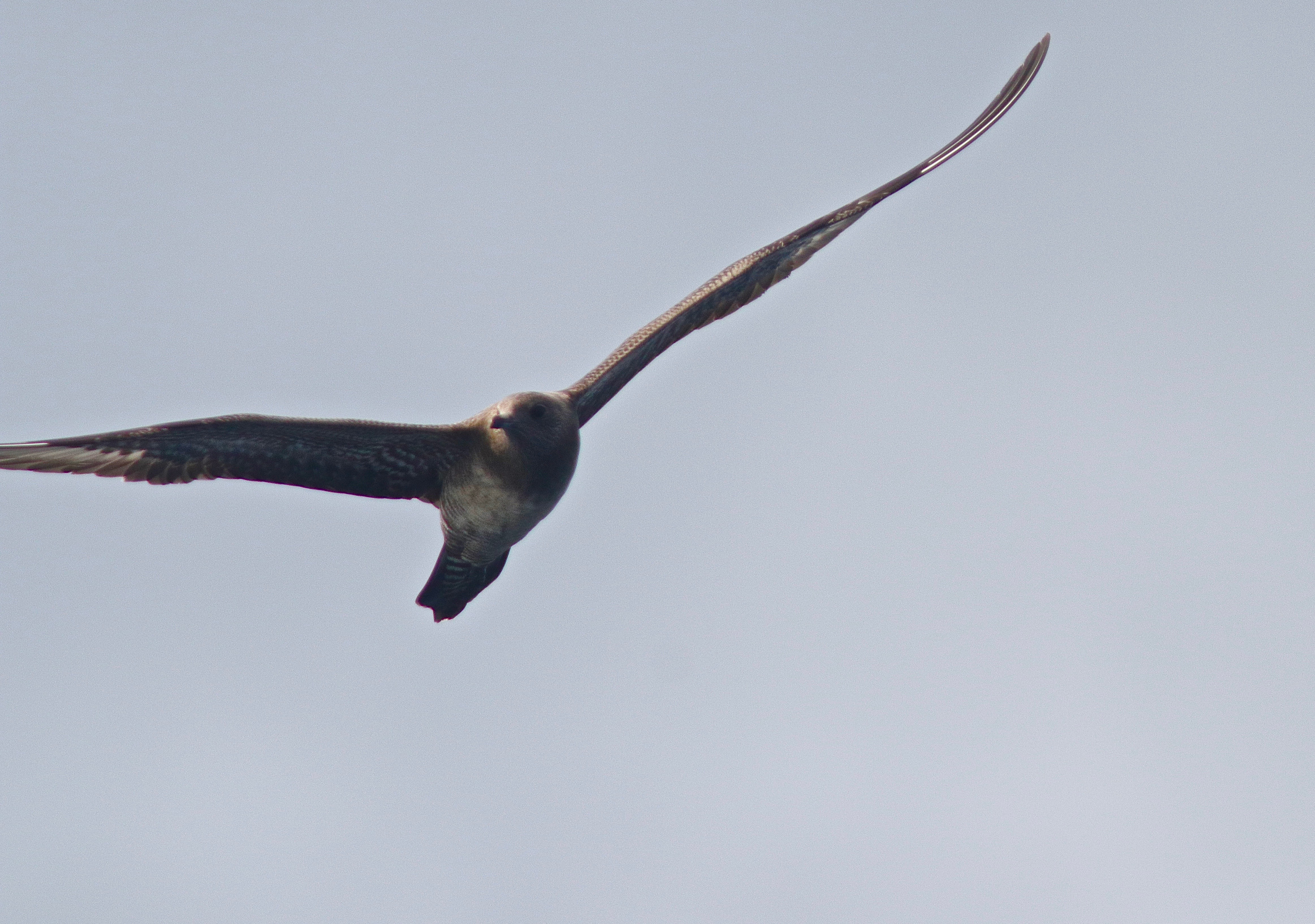
2020-37 08-Sep-2020 (7-0): Two juveniles; Block Canyon; Carlos Pedro (R, P), Scott Tsagarakis (R).
THICK-BILLED MURRE
(Uria lomvia)
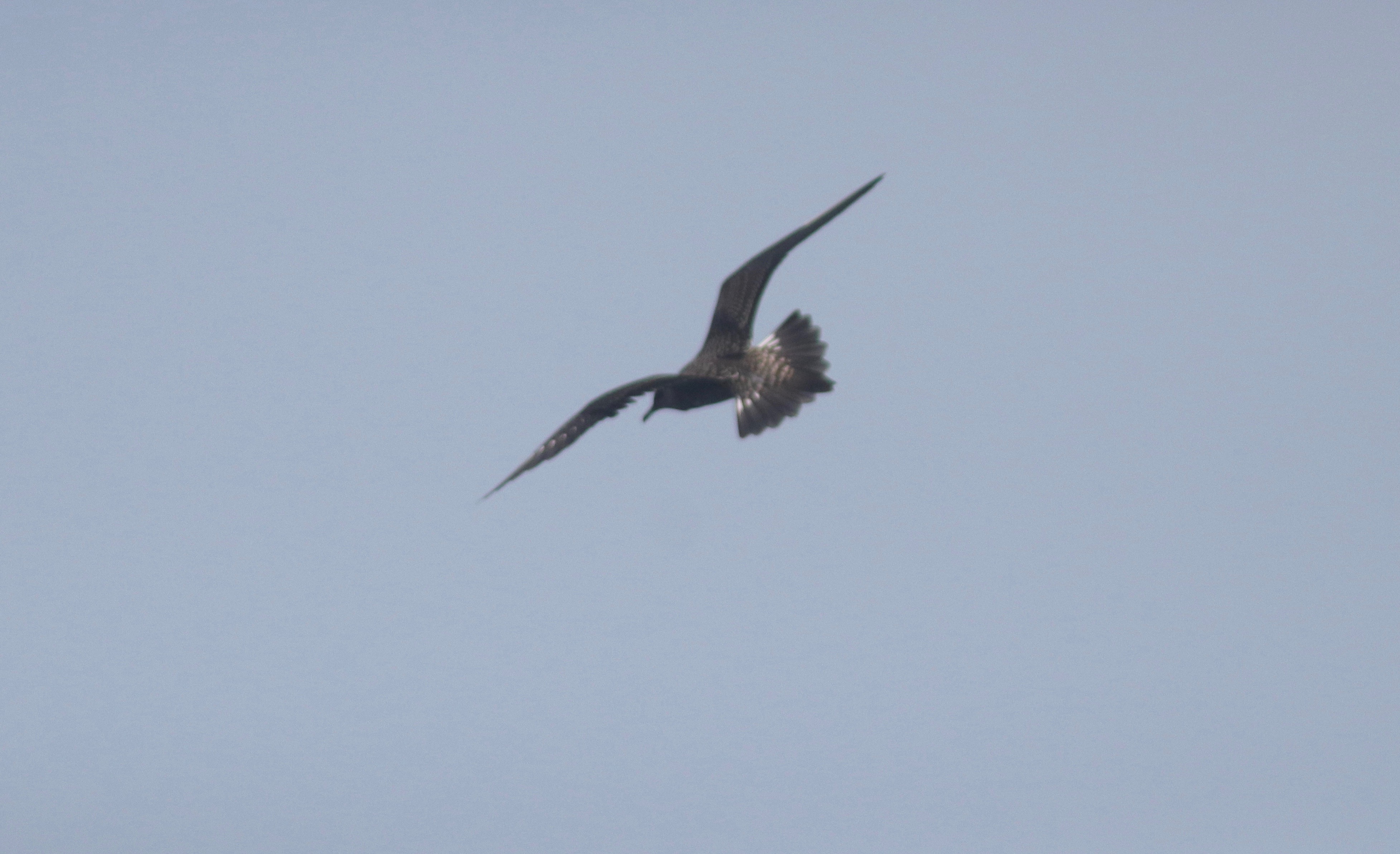
2020-26 19-Jan-2020 (7-0): One, Westerly train station
This bird was detected alive in a parking lot and photographed by an anonymous user of eBird.
SOOTY TERN
(Onychoprion fuscatus)
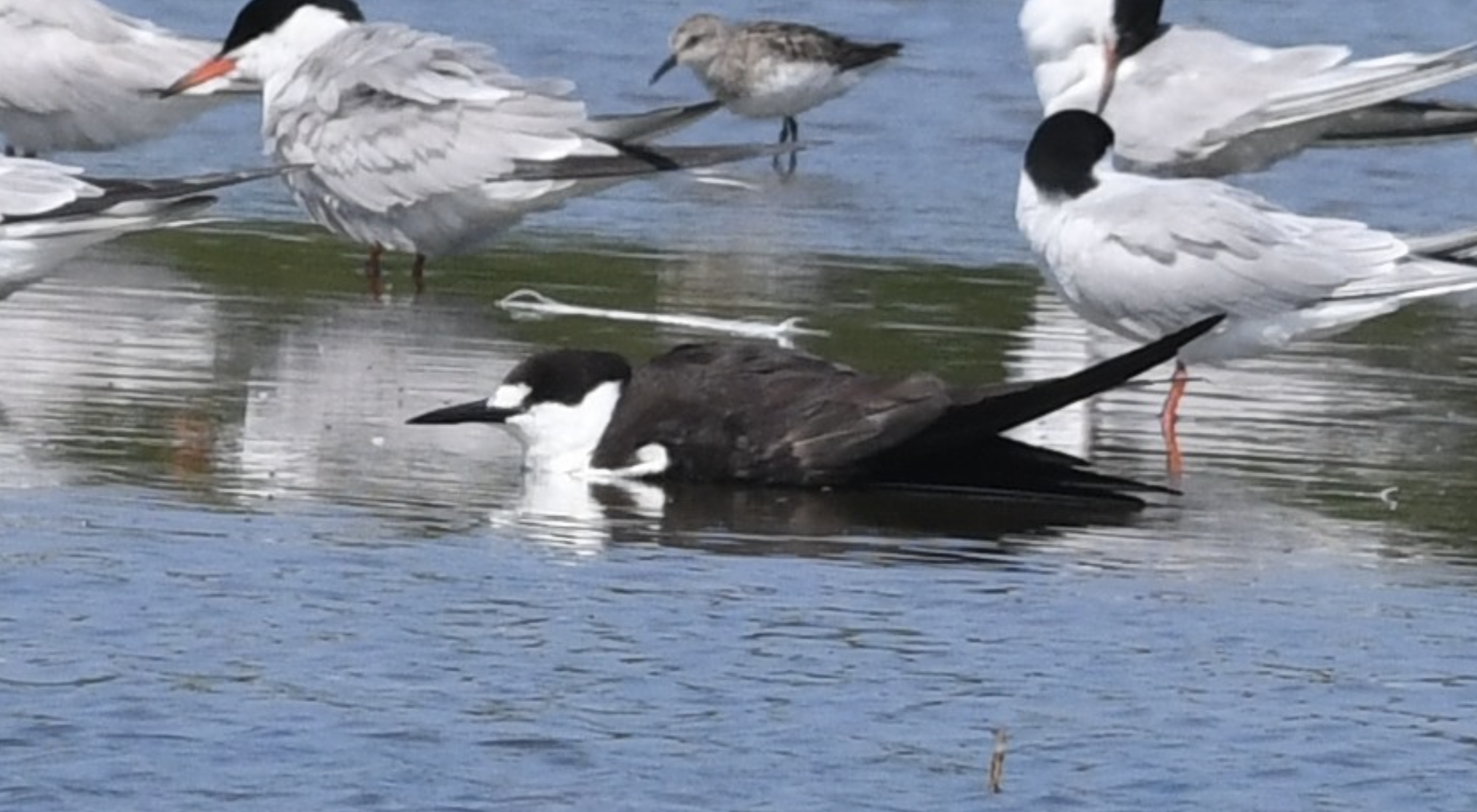
2020-15 04-Aug-2020 (7-0): Seekonk River, Providence; Greg Nemes (I, R), Alan Kneidel (R), Emily Renaud (R).
A quintessential hurricane waif, Sooty Tern is one of the few vagrant species that has occurred throughout Rhode Island’s ornithological record from the nineteenth century to the present following tropical storms. These two records occurred after Tropical Storm Isaias passed through the region, displacing Sooty Terns, Band-rumped Storm-Petrels, and other seabirds to other parts of the Northeast.
SOOTY TERN
(Onychoprion fuscatus)
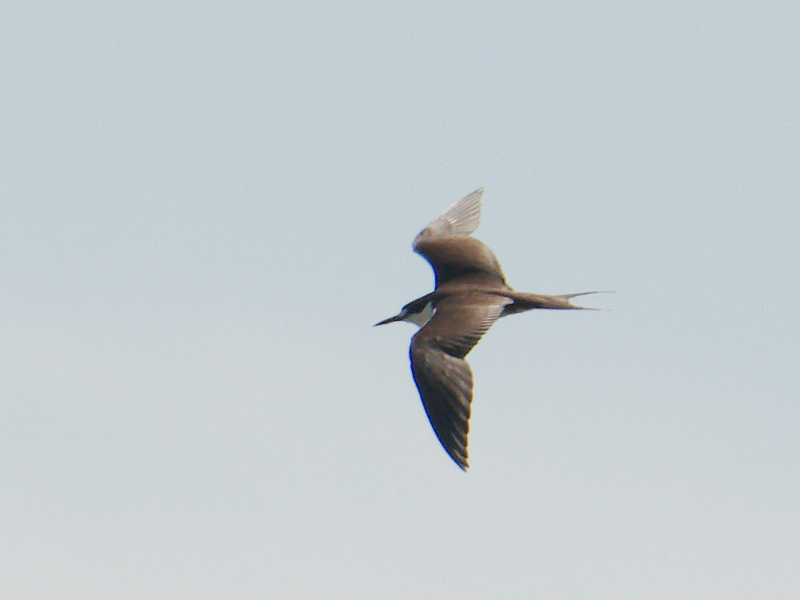
2020-16 05-Aug-2020 (7-0): One, Charlestown Breachway, Charlestown; Dan Finizia (I, R, P), Sue Talbot (I, R, P), Doug Wilson (I, R, P).
GULL-BILLED TERN
(Gelochelidon nilotica)
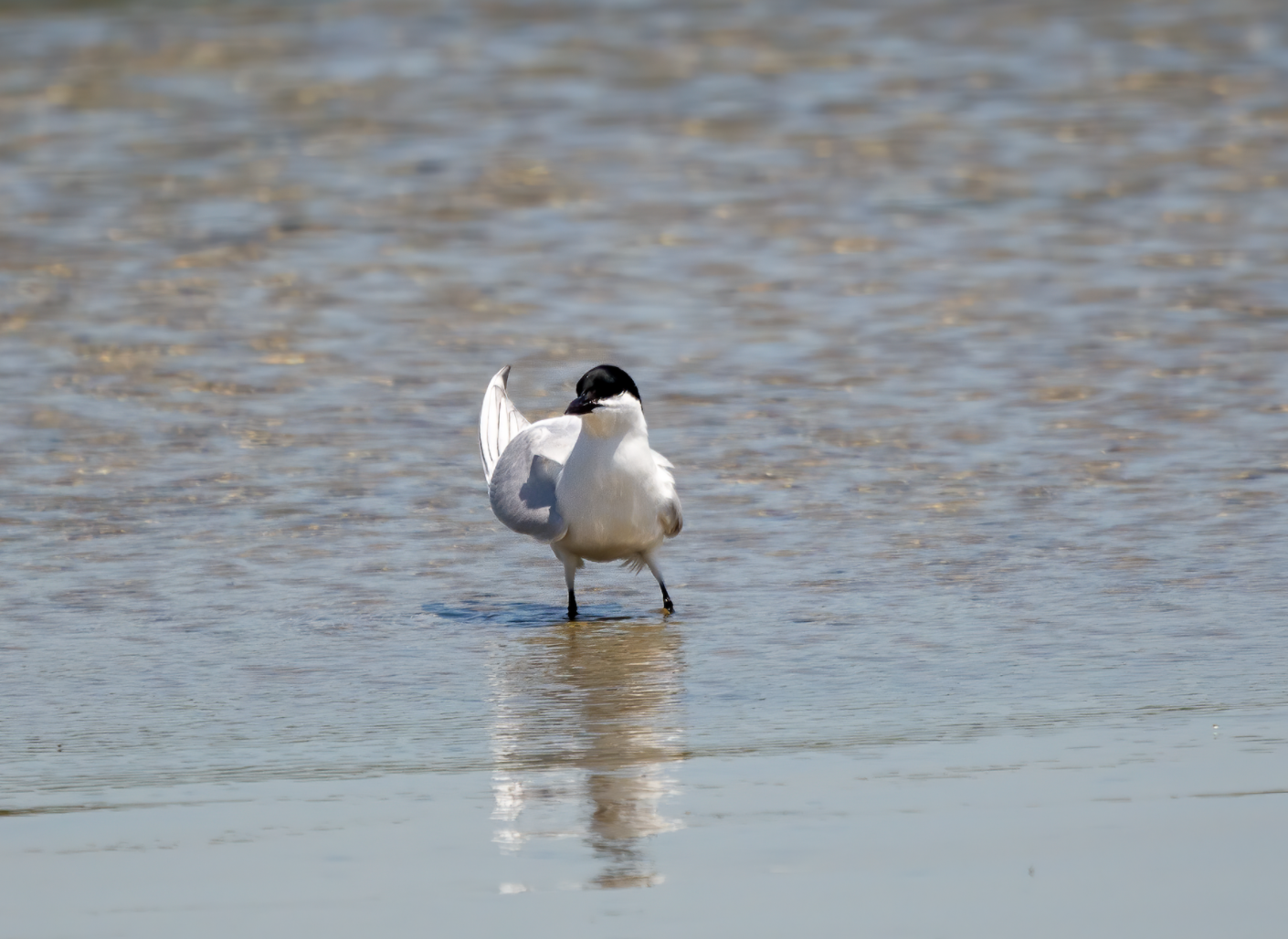
2020-13 20-Jun-2020 (7-0): One, Charlestown Breachway, Charlestown; Alan Kneidel (I, R, P), Greg Nemes (R, P).
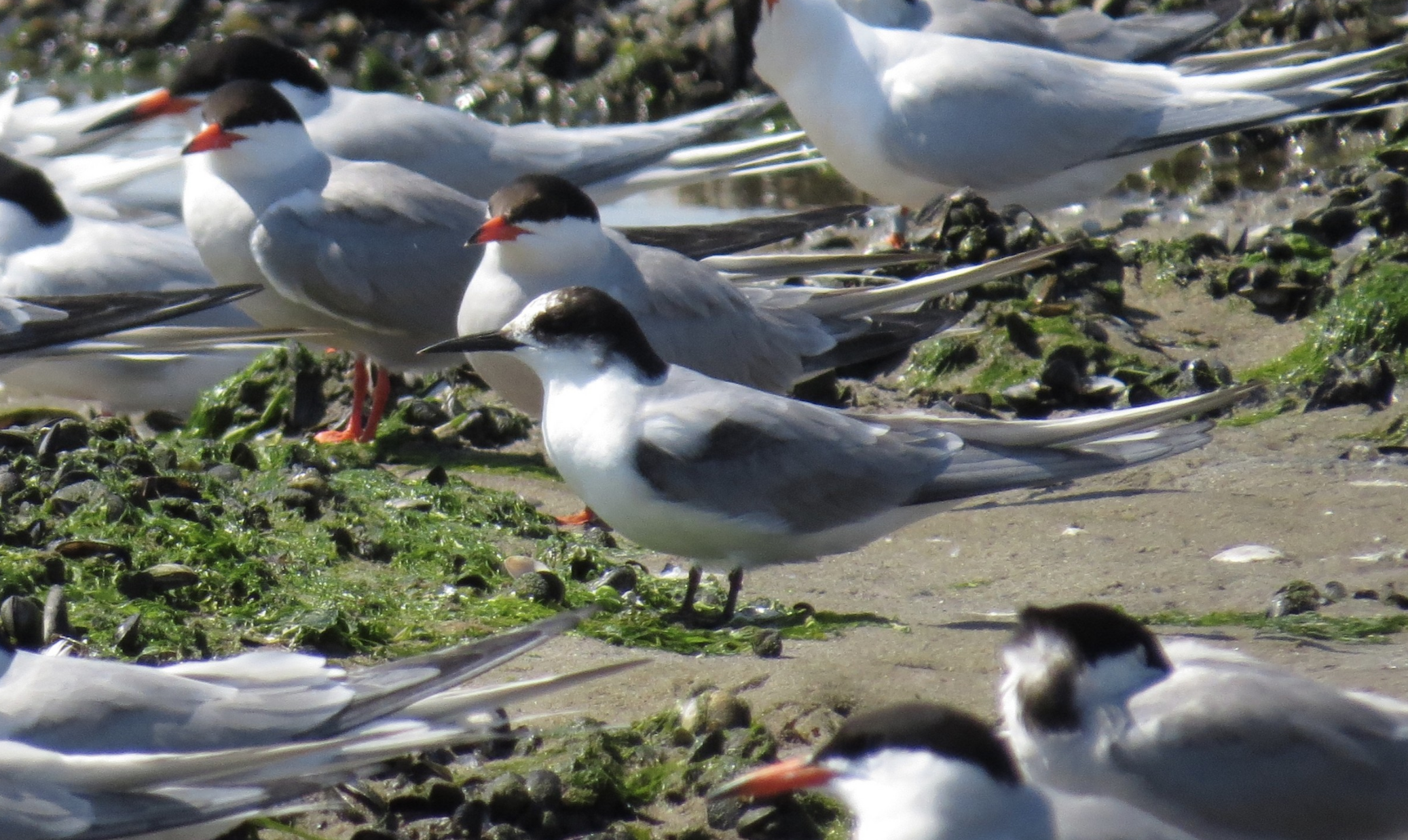
ARCTIC TERN
(Sterna paradisaea)
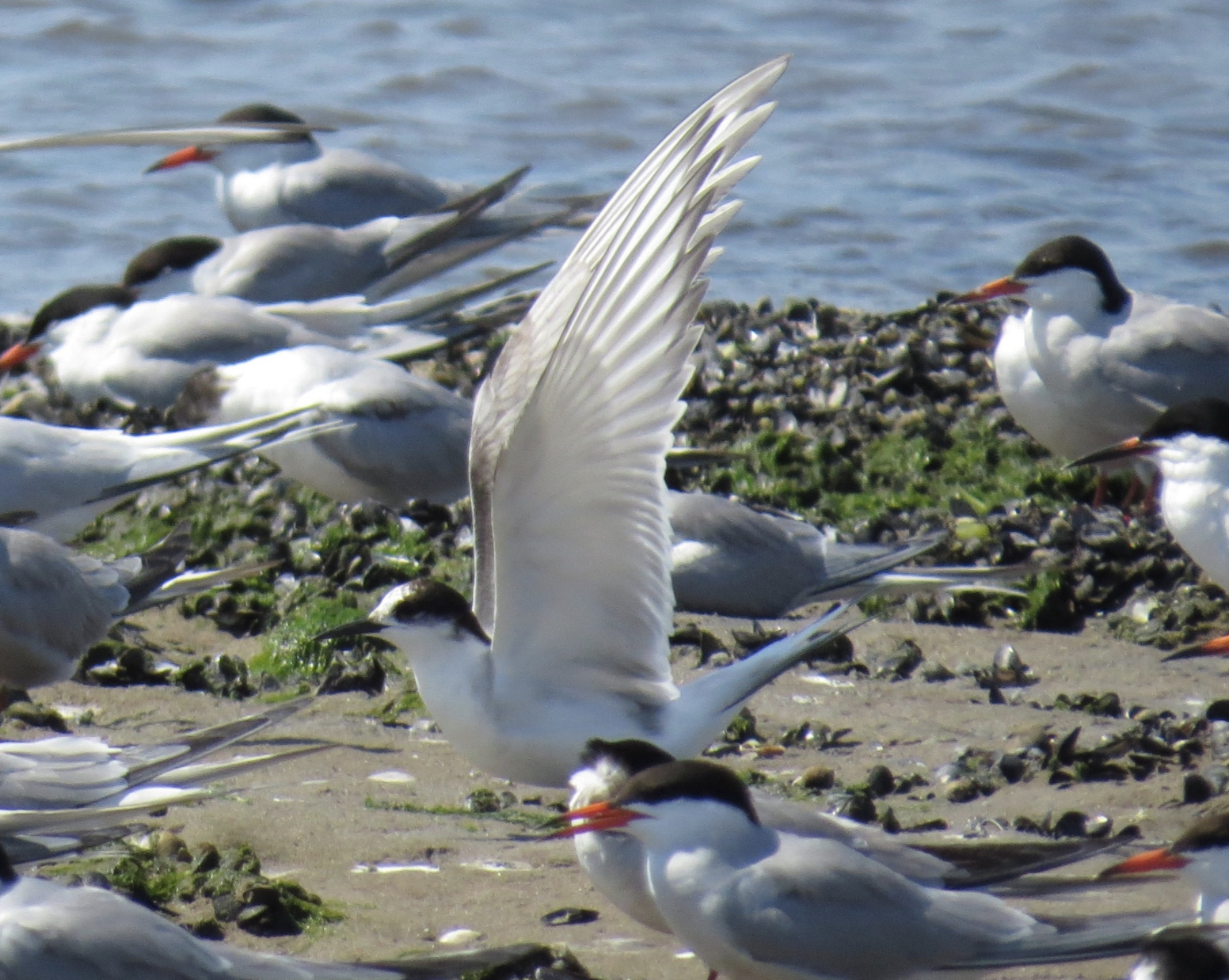
2020-12 19-Jul-2020 (7-0): Napatree Point, Westerly; Alan Kneidel (I, R, P).
The date, location, and age (first summer) of this Arctic Tern align with the typical occurrence pattern of this species south of its breeding areas in the Gulf of Maine: nonbreeders staging briefly at dynamic ocean inlets from late May through mid-July (Mitra 2009).
PACIFIC LOON
(Gavia pacifica)
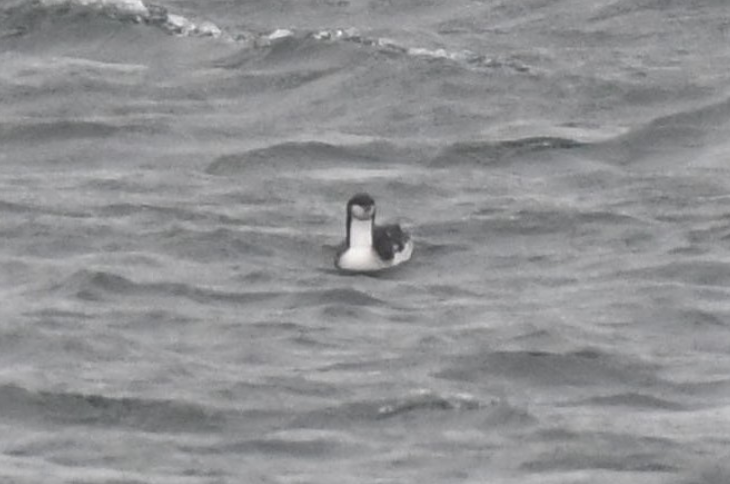
2020-39 12-Nov-2020 to 18-Nov-2020 (7-0): Watch Hill, Westerly; Jan St. Jean (I), Tim Metcalf (P), Dan Finizia (P).
MAGNIFICENT FRIGATEBIRD
(Fregata magnificens)
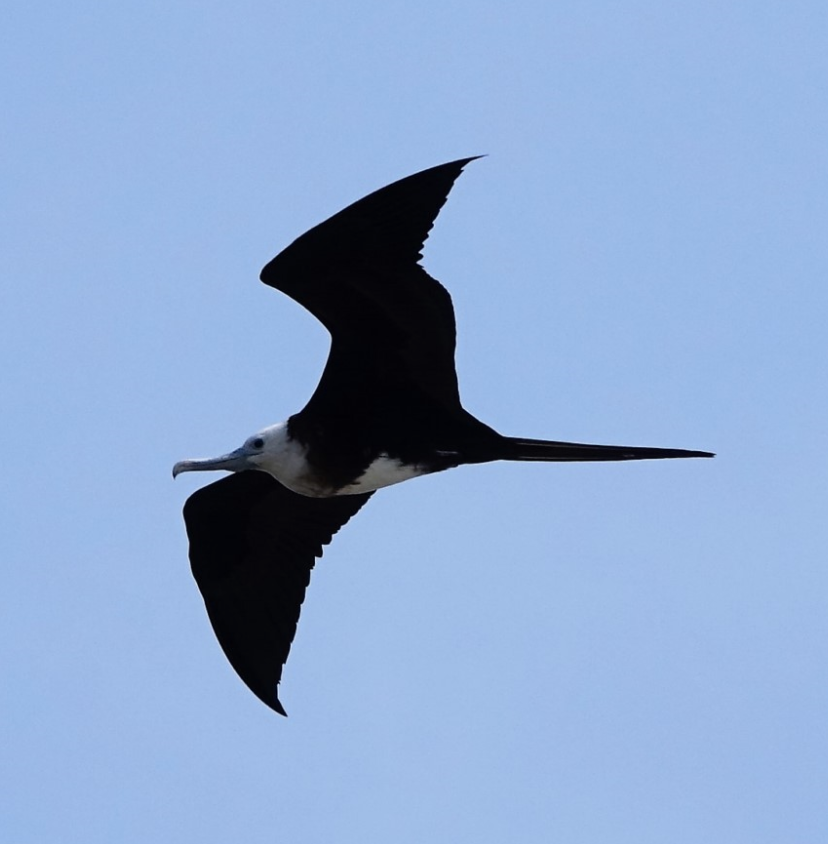
2020-06 10-Jun-2020 (7-0): One juvenile; Beavertail Point, Jamestown; Sherri Roberts (I, R, P).
MAGNIFICENT FRIGATEBIRD
(Fregata magnificens)
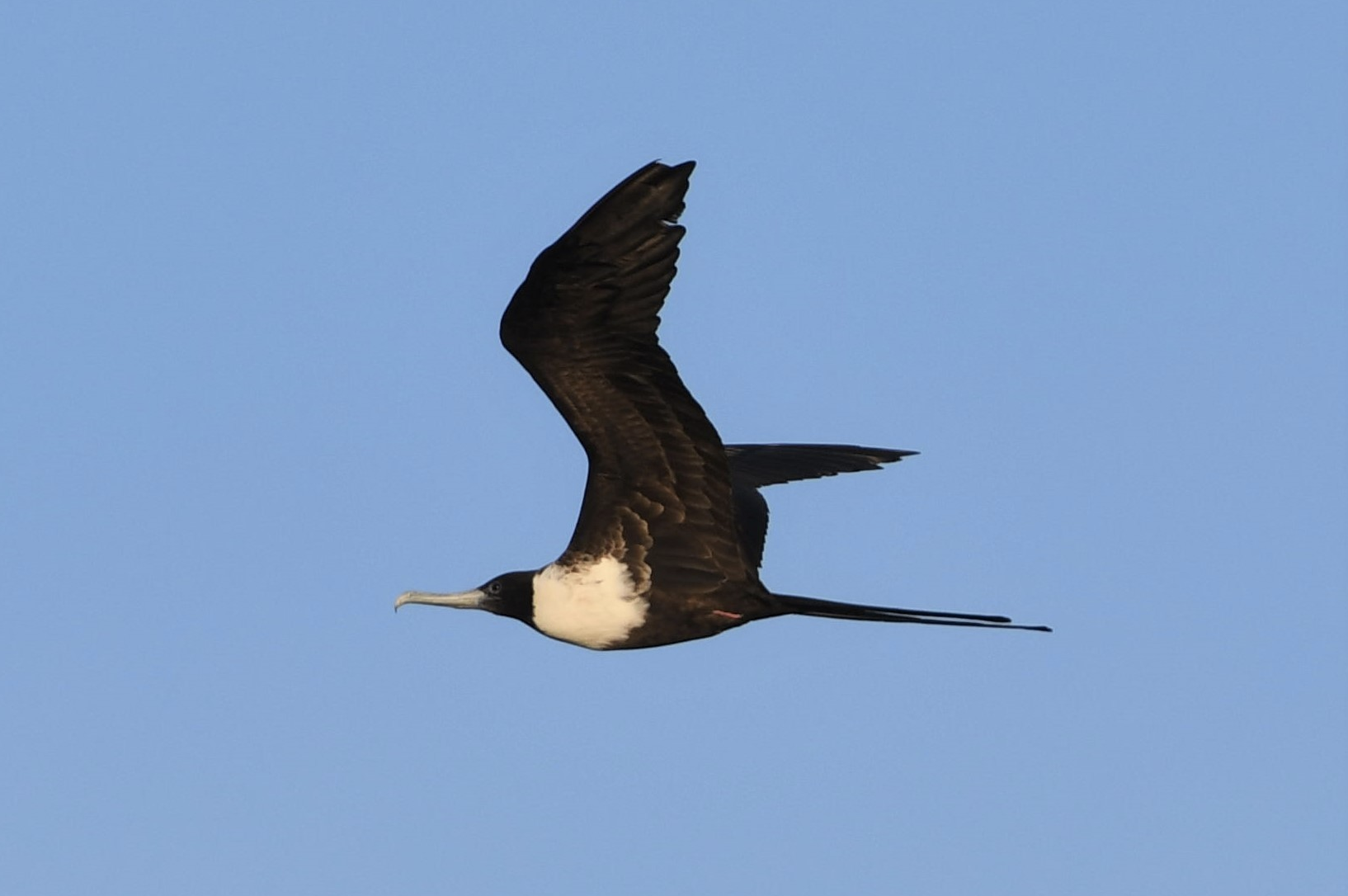
2020-33 28-Dec-2020 (7-0): Adult female; Breakwater Village, Narragansett; Vincent Zompa (I, R), Tim Metcalf (P).
AMERICAN WHITE PELICAN
(Pelecanus erythrorhynchos)
2020-01 17-Jan-2020 to 19-Jan-2020 (7-0): Two; Nonquit Pond, Tiverton; Mark Pagliarini (I, R), Sue Palmer (P), Allen Schenck (P).
All but three Rhode Island records have occurred since 1994, but the rate of occurrence remains less than annual.
GOLDEN EAGLE
(Aquila chrysaetos)
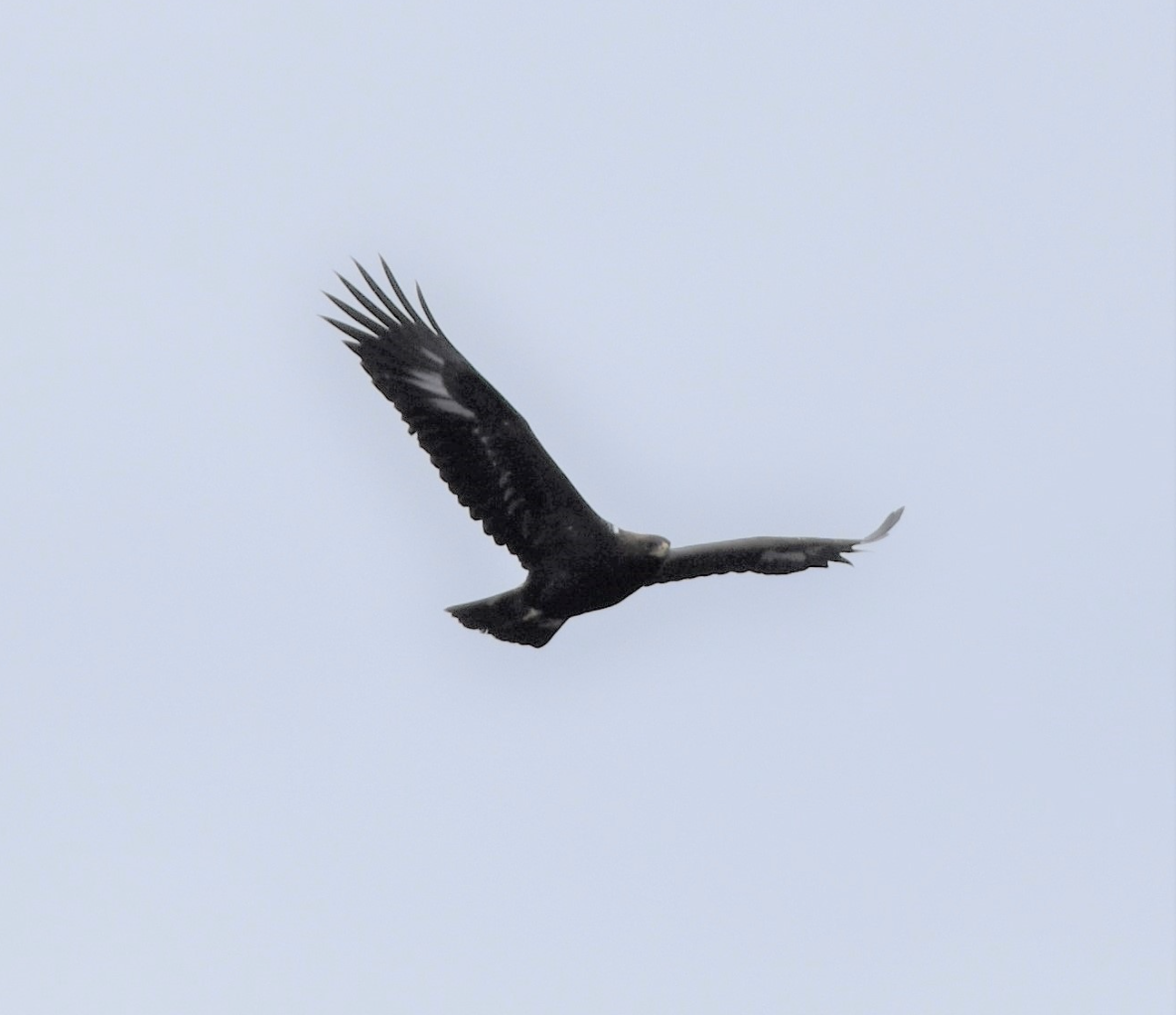
2020-25 23-Nov-2020 to 24-Nov-2020 (7-0): Westerly; Bob Madison (I), Barbara Seith (P), Dave Prigmore (R), Ed Hughes (P).
Photos show that these records from November 24, 2020, involved different individuals.
GOLDEN EAGLE
(Aquila chrysaetos)
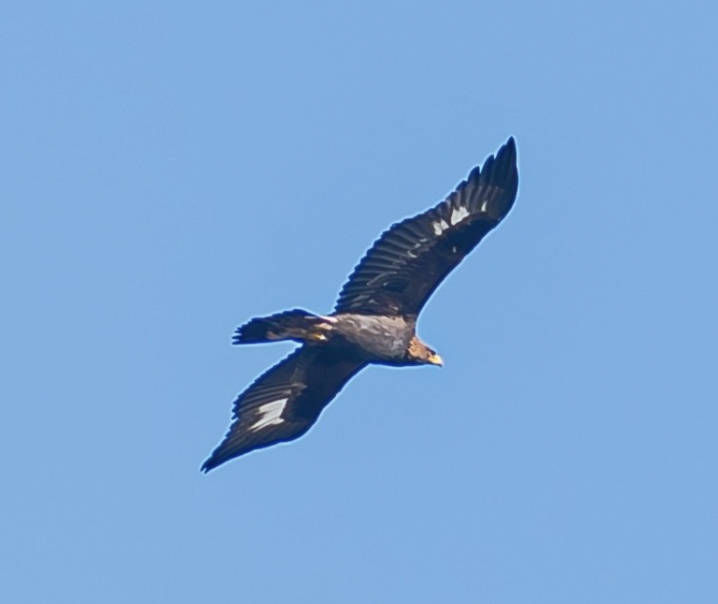
2020-43 24-Nov-2020 (7-0): Trustom Pond NWR, South Kingstown; Ed Hughes (I, P), Jan St. Jean (I).
MISSISSIPPI KITE
(Ictinia mississippiensis)
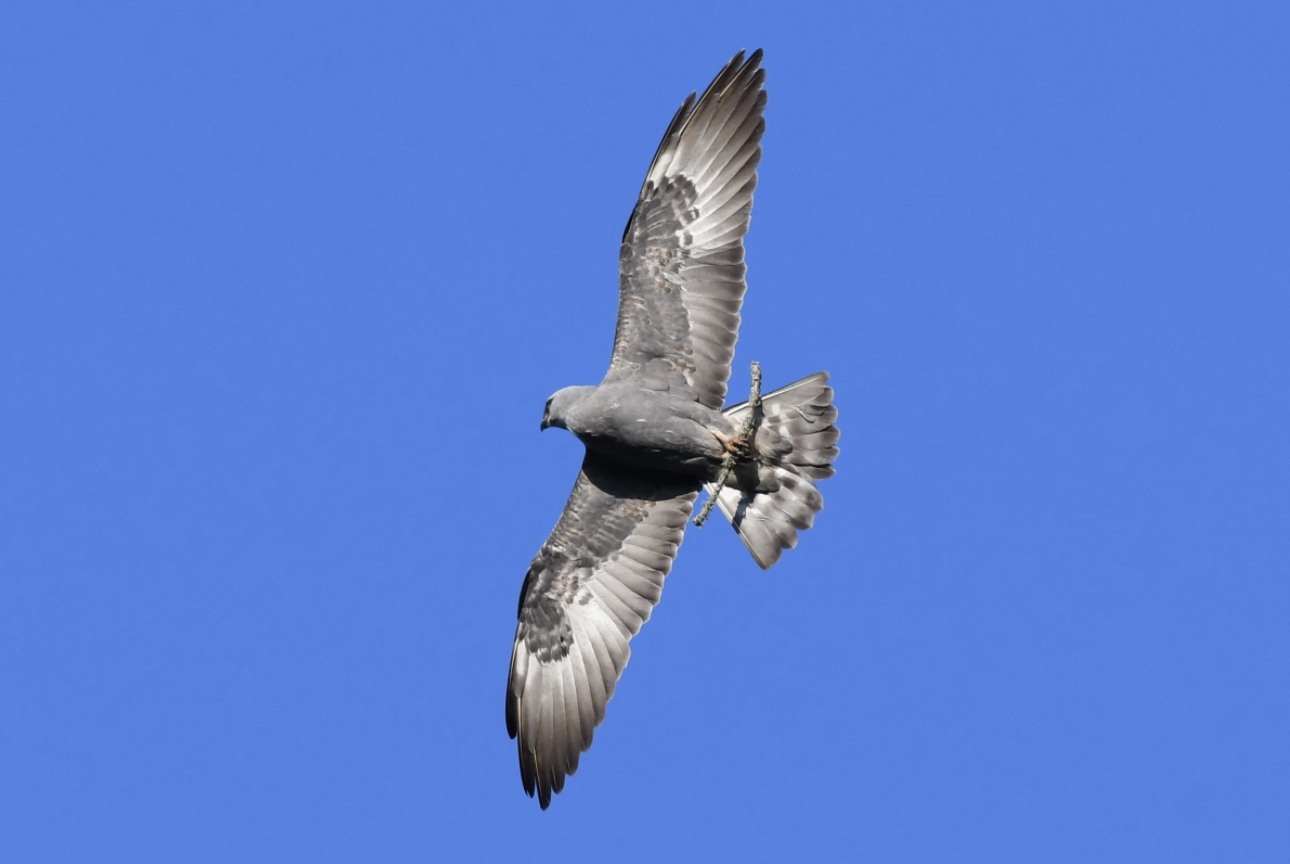
2020-07 03-May-2020 to 07-Jun-2020 (7-0): Nest-building; Richmond; Tim Metcalf (R, P).
WESTERN KINGBIRD
(Tyrannus verticalis)
2020-44 14-Dec-2020 (7-0): Block Island; Michael McBrien (I, R, P).
GRAY KINGBIRD
(Tyrannus dominicensis)
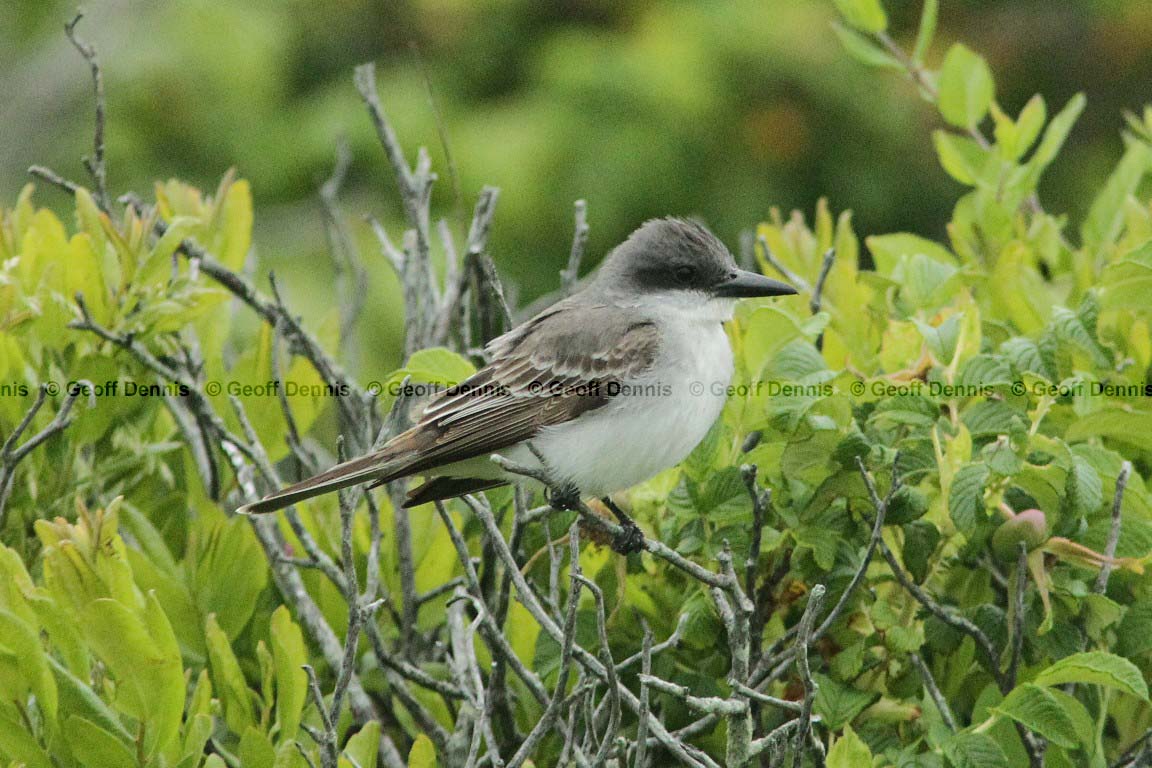
2020-19 16-Jun-2020 (7-0): Goosewing Beach, Little Compton; Geoff Dennis (I, R, P).
Geoff Dennis’s careful attention to this location in Little Compton yielded yet another mega-rarity: Rhode Island’s long-anticipated first Gray Kingbird. As is typical among vagrant Gray Kingbirds, this bird vanished soon after discovery and was not seen again.
CAVE SWALLOW
(Petrochelidon fulva)
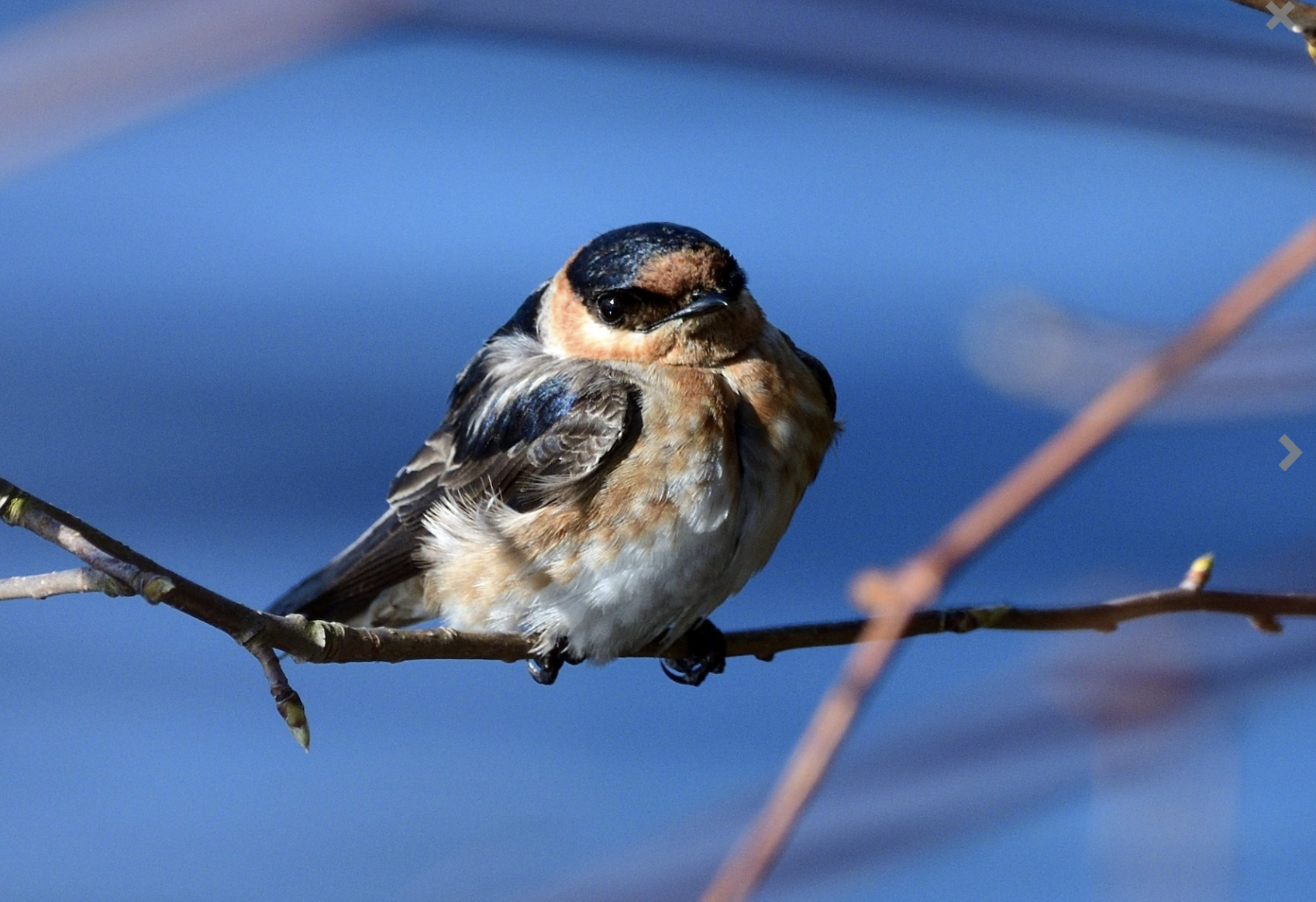
2020-05 09-May-2020 (7-0): Trustom Pond NWR, South Kingstown; Bill Thompson (I, R, P).
All reports are from sites where Cave Swallows have previously been documented. The two records on November 18, 2020, in Narragansett and Watch Hill echoed Rhode Island’s first records from November 7, 1999, in the same two areas. November on Rhode Island’s outer coast has been where this species typically has been detected in the region, so the May 9, 2020, record from Trustom Pond NWR is remarkable.
CAVE SWALLOW
(Petrochelidon fulva)
2020-41 18-Nov-2020 (7-0): Two; Napatree Point and Watch Hill, Westerly; Dan Finizia (I, R), Sue Talbot (I, R), Tom Younkin (I, R).
CAVE SWALLOW
(Petrochelidon fulva)
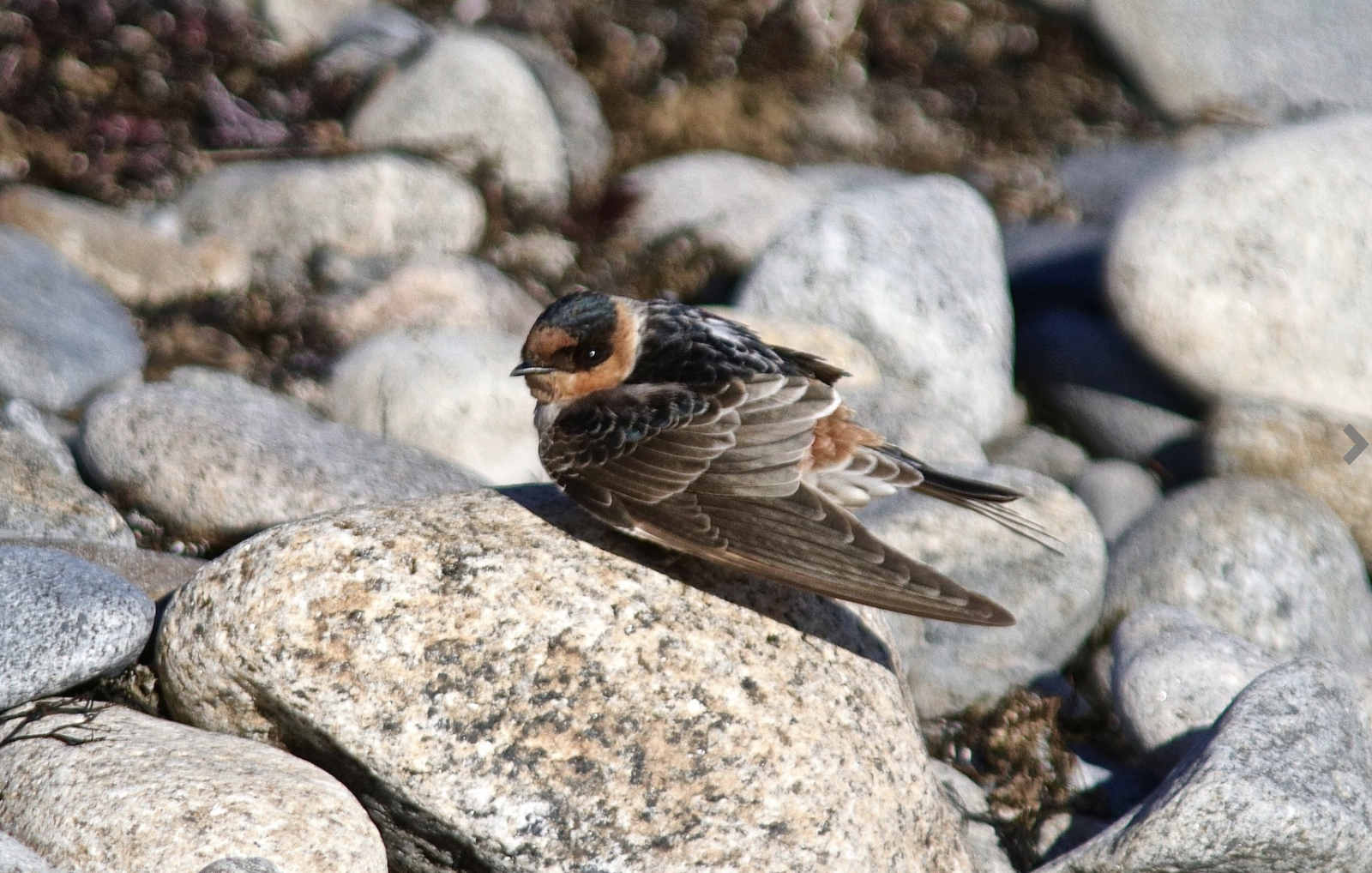
2020-42 18-Nov-2020 (7-0): Two; Scarborough Beach, Narragansett; Carlos Pedro et al.
VARIED THRUSH
(Ixoreus naevius)
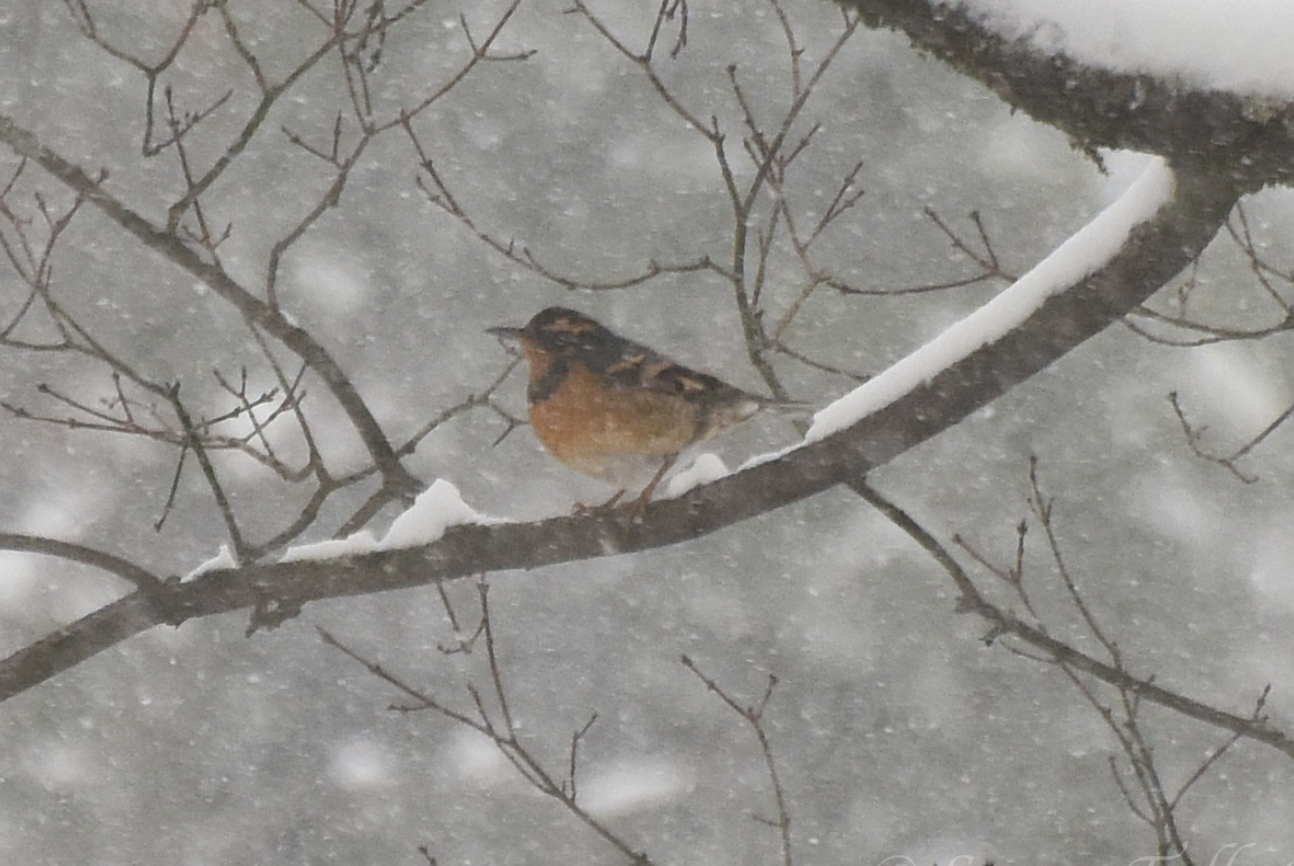
2020-31 17-Dec-2020 to 15-Feb-2021 (7-0): Chepachet, Ellen Anderson (I), many observers.
YELLOW-HEADED BLACKBIRD
(Xanthocephalus xanthocephalus)
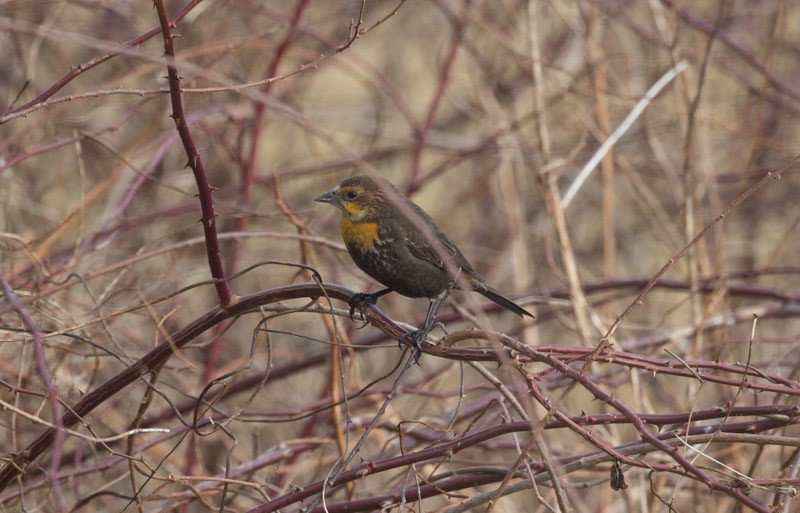
2020-18 03-Feb-2020 to 21-Mar-2020 (7-0): Little Compton; Bob Emerson (I, R, P).
These reports illustrate two migration strategies this species exhibits in the Northeast: individuals detected briefly in late summer and early fall and individuals that remain for weeks at feeding stations from late fall to early spring. There have been 10 Rhode Island records since 2002.
YELLOW-HEADED BLACKBIRD
(Xanthocephalus xanthocephalus)
2020-40 18-Aug-2020 (7-0): Cumberland; Deborah Vine-Smith (P).
BLACK-THROATED GRAY WARBLER
(Setophaga nigrescens)
2020-34 21-Sep-2020 (7-0): Jamestown; Candace Powell (I, R, P).
Rhode Island’s first Black-throated Gray Warbler since 1979 briefly visited the Jamestown yard of Candace and Christopher Powell, where Candace was able to document this record with photos and describe other diagnostic features in a definitive written report.
PAINTED BUNTING
(Passerina ciris)
2020-32 27-Dec-2020 to 28-Dec-2020 (7-0): Watch Hill, Westerly; Glenn Williams (I), Andrew Dasinger (I), Sue Palmer (P).